
On June 25, we hosted a panel of multigenerational experts on resilience and asked them what comes next as we continue to build for Hawaiʻi’s sustainable future. The answers were remarkably consistent, even though each panelist works in a different arena. (The video of this discussion can be viewed on our website at Art + Design + Architecture: Hawaiʻi's Resilience, What Comes Next?)
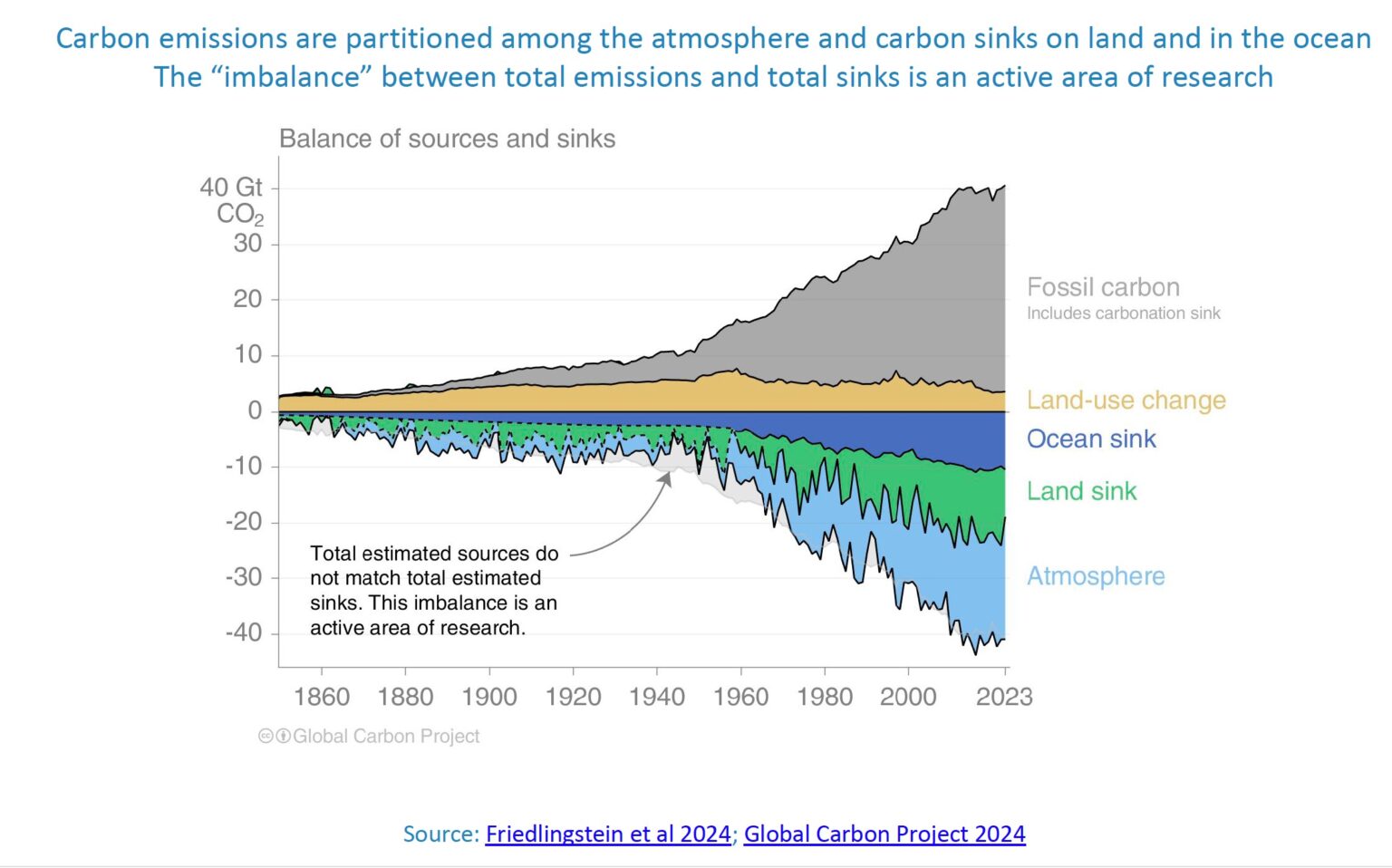
Optimism and hope reigned, even as we – and the world – face dire changes to our environment. In 2023, extreme weather, wildfires, and warming oceans caused nature, specifically the ocean and land plants, to no longer absorb 50 percent of harmful carbon dioxide. And because of warming oceans, sea level rise is inevitable for generations to come.
The collective response to this sobering reality must be action and an understanding that “de-siloing” is essential.
University of Hawai’i’s Chip Fletcher pointed out that we cannot afford to “stovepipe” the challenges to our community. “Climate change is only one and consists of hazards of various types. But we also have social inequality. Hawaiʻi is a highly stratified community. We have the richest of the rich, and we have the houseless out there on the streets; 52 percent of the families in Hawaiʻi are financially challenged. So how can we be a resilient community unless we lift these strata, these layers of society, up?”
Dr. Kealoha Fox, Chief Resilience Officer and Executive Director for the City and County of Honolulu Office of Climate Change, Sustainability and Resiliency, agreed, “It’s really about us as the people; our concern within the City and County of Honolulu is about who will be able to live here in the future and how we are going to live with what level of quality of life right now.”
Hawaiʻi Green Growth CEO Kalani Kaʻanāʻanā is working to pull together various threads and weave them into a tapestry. “I think the intersection of our work is trying to put us all in the same place. It’s a public private partnership.” Yet there is also importance in individual action: “Hope implies someone else is going to take care of it. Optimism is what we engender in ourselves when we take action. You forget about feeling dismal if you’re doing something constructive. So everybody getting involved is the key to building community optimism. I think that’s where we’re succeeding right now—community action that has created tremendous results,” Fox added.
Christina Jayne, a Coral Aquatic Biologist and Coral Nursery Curator for the state’s Department of Land and Natural Resources, is encouraged by the energy of her peers and younger generations. “In the past several years, we have really seen so much momentum, so much of that optimism, and not just folks talking, but wanting to take action. That is so incredibly important.”
“If we don’t start getting real about the things that are happening, whether siloed or un-siloed, we’re not going to get anywhere,” Kaʻanāʻanā urgently added.
The panelists’ stories made one truth clear: resilience is a shared project. Their work overlaps and cross-pollinates because no one can tackle climate, environmental, or economic challenges alone. Ultimately, resilience is driven by individual choice as much as policy. As Jayne noted, and the entire panel echoed, “Everybody can do something, and together we are shifting mindsets around us.”
We live in a place worth fighting for, a Hawaiʻi that can sustain our children and their children after them. Building that future will take all of us at every level.
So, what will we do together?


